Making beetroot powder at home is a practical way to preserve fresh beetroot and turn it into a convenient ingredient for drinks, cooking and homemade recipes. If you want to make beetroot powder at home, the basic process involves preparing the vegetable, drying it thoroughly, grinding the dried pieces and storing the finished powder correctly.
The most important part is not the grinding itself. Beetroot needs to be dried sufficiently before you make beetroot powder because leftover moisture can affect the texture and storage quality of the finished product. Proper drying also makes the pieces easier to grind into a fine, even powder.
This guide explains how to make beetroot powder at home using a dehydrator or oven, how to prepare the beetroot, how to check whether it is completely dry, how to grind it, and how to store the finished powder.
Table of Contents
What Is Homemade Beetroot Powder?
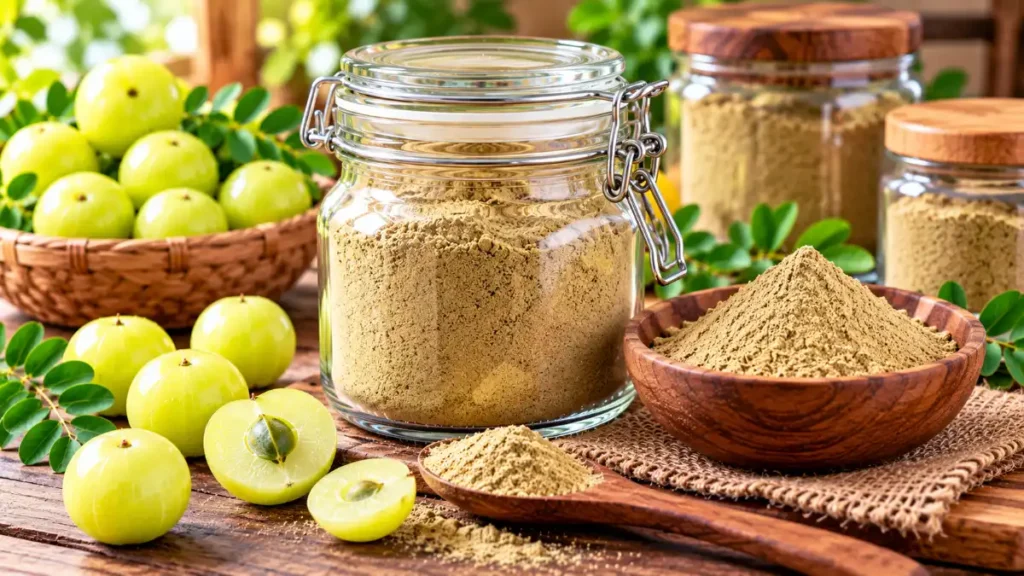
Homemade beetroot powder is simply dried beetroot that has been ground into a fine powder. When you make beetroot powder at home, you are essentially removing moisture from the vegetable and then grinding the dried pieces into a convenient form.
Removing water makes the vegetable much lighter and more compact. Utah State University notes that drying reduces the size and weight of foods because moisture is removed, making dried foods easier to store.
The finished powder can be used in:
- smoothies and homemade drinks
- yogurt and breakfast bowls
- soups and dal
- roti and paratha dough
- sauces and dips
- homemade snacks
- selected baking recipes
- food preparations where beetroot colour is useful
The colour and texture of homemade powder depend on the beetroot variety, drying method and how finely the dried pieces are ground.
Choosing Beetroot for Powder
Start with fresh, firm beetroot. Roots with smooth skin and no signs of spoilage are preferable.
Utah State University recommends choosing beets with firm, smooth skins and notes that small to medium-sized roots tend to be more tender. (extension.usu.edu)
Avoid using beetroot with:
- mold
- extensive soft spots
- strong unusual odors
- visible decay
- badly damaged sections
If the roots have leafy tops attached, remove them before preparation.
For the best result, process the beetroot while it is still fresh rather than allowing it to sit for an unnecessarily long period.
Preparing Beetroot Before Drying
Good preparation is important when you make beetroot powder at home. Start with fresh, firm beetroot and avoid roots showing mold, extensive soft spots, decay or an unusual smell.
Wash the roots thoroughly under running water and scrub away any soil. Peel them if you prefer a cleaner finished product, then trim the ends and cut the beetroot into thin, reasonably uniform pieces.
Uniform pieces are important because pieces with different thicknesses will dry at different rates. If some pieces remain moist while others are already dry, the batch will need additional drying before you can make beetroot powder from it.
When preparing beetroot:
- wash and clean the roots properly
- remove the tops and root ends
- peel if preferred
- cut into thin slices or small pieces
- keep the pieces as uniform as possible
- avoid overcrowding the drying tray
The aim is to create pieces that can dry evenly from the outside to the centre.
Should Beetroot Be Cooked or Blanched Before Drying?
There are different tested approaches to preparing beets for drying, so it is important to follow one suitable method rather than combining instructions from different sources.
Utah State University gives a beet-drying method using steaming, water blanching or microwave treatment before dehydration. Its drying guidance lists steaming for 4–5 minutes or water blanching for 2–3 minutes, followed by dehydration.
Another Utah State University publication gives a different preparation for beets: cook them as usual, cool and peel them, then cut them into thin strips before dehydration.
If your goal is to make beetroot powder, the preparation method should be consistent with the drying method you choose. Follow a tested procedure and also check the instructions supplied with your dehydrator.
How to Dry Beetroot for Powder
Drying is the most important stage when you make beetroot powder at home. The beetroot pieces need to lose enough moisture before they are ground. If they remain soft or damp, the finished powder may clump and may not store well.
Utah State University explains that successful food drying depends on suitable heat, low humidity and good air circulation. It also recommends arranging food in a single layer with enough space for air movement. Utah State University Extension’s home drying guidance provides additional information on preparing and drying foods at home.
For a good beetroot powder making process, focus on three things:
- reasonably thin and uniform pieces
- adequate airflow during drying
- complete removal of moisture before grinding
Do not move to the grinding stage simply because the recommended drying time has passed. Always check the actual pieces before you make beetroot powder.
Using a Food Dehydrator
A food dehydrator is one of the most convenient options when you want to make beetroot powder at home because it provides controlled heat and airflow.
Arrange the prepared beetroot pieces in a single layer on the trays. Avoid overlapping them because restricted airflow can make drying less even.
Use the temperature recommended by your dehydrator manual or a tested drying procedure.
Utah State University’s beet-drying guidance lists approximately 2.5–4 hours for dehydrating beets, but actual drying time can vary depending on the thickness of the pieces and the equipment being used.
Check the pieces toward the end of the drying process. If they still feel soft or moist after cooling, continue drying them before using them to make beetroot powder.
Using an Oven
An oven can be used if you do not have a dehydrator and still want to make beetroot powder at home.
Arrange the prepared beetroot pieces in a single layer and use the lowest suitable temperature recommended by your oven and the drying method you are following.
Keep the pieces separated so air can move around them. Household ovens can have hot spots and may not maintain the same conditions as a dedicated dehydrator, so check the beetroot regularly.
The objective is gradual moisture removal rather than roasting the vegetable. Once the pieces are completely dry and cool, they can be used for the next stage of the homemade beetroot powder process.
How Do You Know Beetroot Is Dry Enough?
Knowing when the beetroot is completely dry is essential before you make beetroot powder.
The pieces should not feel soft, wet or noticeably flexible from retained moisture. Let a few pieces cool before checking because warm food can feel softer than it will after cooling.
Utah State University explains that drying removes water needed for microbial growth, but drying itself does not kill microorganisms. Proper drying and suitable storage are therefore important parts of the preservation process.
If a piece still feels moist or pliable after cooling, continue drying it.
For a reliable beetroot powder making process, do not grind the pieces until the batch is thoroughly dry.
How to Cool the Dried Beetroot
Once the pieces appear completely dry, remove them from the dehydrator or oven and allow them to cool fully.
Do not grind them while they are still hot.
Cooling also gives you a better opportunity to check whether any pieces still contain noticeable moisture.
If some pieces are softer than others, separate them and continue drying those pieces before proceeding.
Grinding Dried Beetroot Into Powder
Once the dried beetroot has completely cooled, it is ready for grinding. This is the stage where you finally make beetroot powder from the prepared dried pieces.
Transfer the pieces to a clean, completely dry spice grinder, powerful blender or suitable food processor.
Work in smaller batches if necessary. Pulse the dried beetroot until it becomes a fine powder. Avoid running the appliance continuously for too long if it becomes hot.
If the powder still contains larger particles, allow the equipment to cool and grind those pieces again.
The finished homemade beetroot powder should be dry and reasonably uniform. If you prefer a finer texture for drinks or yogurt, sieve it before storage.
Sieving the Powder
After you make beetroot powder, sieving can improve its texture and consistency.
Pass the ground material through a clean, fine sieve. Larger particles that remain in the sieve can be returned to the grinder and processed again.
This extra step is especially useful if you plan to use the powder in:
- smoothies
- drinks
- yogurt
- sauces
- dough
- baking recipes
A finer texture makes homemade beetroot powder easier to mix into liquids and soft foods.
How to Make Beetroot Powder Without a Dehydrator
You do not need a dedicated dehydrator to make beetroot powder at home. An oven can be used for the drying stage when a dehydrator is not available.
The basic process is:
- Wash and prepare the beetroot.
- Cut it into thin, even pieces.
- Follow an appropriate pre-treatment method.
- Arrange the pieces in a single layer.
- Dry them gradually in the oven.
- Cool the dried pieces completely.
- Grind them into powder.
- Sieve if necessary.
- Store the finished powder in a dry, airtight container.
The important point is to judge the dryness of the beetroot rather than relying only on a fixed number of hours. Thoroughly dried pieces are essential if you want to make beetroot powder that remains usable during storage.
Can You Make Beetroot Powder From Sun-Dried Beetroot?
Although sun drying is a traditional preservation method, it is not the preferred approach for vegetables when controlled indoor drying is available.
The National Center for Home Food Preservation explains that vegetables are generally not recommended for outdoor sun drying because vegetables have lower sugar and acid levels and outdoor temperature and humidity are difficult to control. It recommends controlled indoor drying using an oven or food dehydrator instead. (nchfp.uga.edu)
For homemade powder, a dehydrator or controlled oven is therefore the more practical choice. The National Center for Home Food Preservation guidance on drying vegetables provides additional information on safe home-drying methods.
How Fine Should the Powder Be?
The ideal texture depends on how you plan to use it.
A fine powder works well for:
- drinks
- smoothies
- yogurt
- sauces
- dough
- baking
A slightly coarser powder can still be useful for soups and savoury preparations.
If you want a very smooth texture, sieve the powder and grind the larger particles again.
How to Store Homemade Beetroot Powder
Proper storage is the final part of learning how to make beetroot powder at home.
Transfer the cooled powder into a clean, completely dry airtight container. Keep it away from steam, moisture, direct sunlight and excessive heat.
Utah State University recommends moisture-proof containers for dried foods and notes that dried products should be protected from moisture absorption and insects and kept in a cool, dark, dry place.
A glass jar with a tight-fitting lid can work well for a small homemade batch.
Always use a clean and dry spoon when taking out the powder. Keeping moisture away from the finished product is particularly important when you make beetroot powder without commercial packaging.
Internal link: How to Store Beetroot Powder → /how-to-store-beetroot-powder/
How to Check Stored Powder
Check the container occasionally, particularly if you live in a humid environment.
Look for:
- unusual clumping
- moisture
- condensation
- mold
- unusual smell
- changes that suggest spoilage
A little natural clumping does not automatically mean the powder is spoiled, but visible moisture or mold is a reason to discard the affected product rather than trying to rescue it.
How Long Does Homemade Beetroot Powder Last?
There is no single storage period that applies to every homemade batch.
Shelf life depends on how thoroughly the beetroot was dried, the moisture level after grinding, the container, storage temperature and exposure to humidity.
USU’s general food-storage guidance lists dehydrated vegetables at about eight months under its specified storage conditions, while its home-drying guidance notes that properly dried products can keep for around a year when sealed in moisture-proof containers and stored in a cool, dark, dry place. These are general guidelines rather than a guarantee for every homemade batch. (extension.usu.edu) (extension.usu.edu)
For homemade beetroot powder, good drying and moisture control are more important than relying on a fixed date.
Common Mistakes When Making Beetroot Powder
A few simple mistakes can affect the quality when you make beetroot powder at home.
Using Beetroot That Is Not Fresh
Damaged or spoiled roots are not a suitable starting point for a preserved food product.
Cutting Pieces Too Thick
Thick pieces take longer to dry and can retain moisture in the centre. Thin, reasonably uniform pieces make the drying stage more consistent.
Overcrowding the Drying Tray
Pieces should be arranged in a single layer with enough room for air circulation.
Grinding Before Complete Drying
This is one of the most important mistakes to avoid. If the dried beetroot still contains significant moisture, the resulting powder may clump and have poorer storage quality.
Storing While Still Warm
Allow the dried pieces and finished powder to cool completely before sealing the container.
Using a Wet Spoon
Even a small amount of water introduced repeatedly can affect a dry powder.
Making Too Much at Once
If you are trying homemade beetroot powder for the first time, a smaller batch can make it easier to manage drying and storage.
How to Use Homemade Beetroot Powder
Once you make beetroot powder at home, you can use it in many everyday preparations. You do not need complicated recipes to include it in your meals.
Try adding a small amount to:
- smoothies
- yogurt
- raita
- soups
- dal
- roti dough
- paratha dough
- breakfast bowls
- homemade snacks
Start with a small quantity because beetroot has a naturally earthy flavour and strong colour.
Internal link: Beetroot Powder Recipes → /beetroot-powder-recipes/
Homemade Beetroot Powder vs Store-Bought Powder
Making your own product gives you control over the preparation and drying process, while a packaged product saves time.
| Homemade Powder | Store-Bought Powder |
|---|---|
| You control the ingredients | Ready to use |
| Useful for small batches | Convenient for regular use |
| Requires preparation time | No drying or grinding required |
| You control the drying process | Processing varies by manufacturer |
| Can be made from fresh beetroot | Label and storage information are available |
If you make beetroot powder at home, the main advantage is control over the ingredients and preparation. If convenience is more important, a commercial product may be easier.
Frequently Asked Questions
Can I make beetroot powder from fresh beetroot?
Yes. Fresh beetroot can be cleaned, prepared, dried thoroughly and ground into a fine powder. The drying stage is particularly important because the pieces need to be sufficiently dry before grinding.
Do I need a dehydrator to make the powder?
No. You can make beetroot powder at home using an oven as well. A dehydrator generally provides more controlled airflow, while an oven requires closer monitoring.
Can I use raw beetroot?
Preparation methods vary. Some tested guidance uses blanching before dehydration, while another beet-specific method starts with cooked beetroot. Follow one tested procedure rather than mixing different methods.
How do I know the beetroot is ready to grind?
The dried pieces should be completely dry after cooling, without noticeable soft or moist areas. If they are still flexible or moist, continue drying them before you make beetroot powder.
Can I grind the dried pieces in a blender?
Yes, provided the blender is suitable for dry ingredients. Work in small batches and avoid overheating the appliance.
Why does homemade powder become lumpy?
Moisture is one of the most common reasons. The beetroot may not have been dried completely, or moisture may have entered the container during storage.
Can I use the powder in drinks?
Yes. Homemade beetroot powder can be mixed into smoothies, water-based drinks, yogurt and other suitable preparations. Start with a small quantity and adjust according to taste.
How should I store the finished powder?
Use a clean, dry, airtight container and keep it in a cool, dark and dry place. Protect it from humidity and heat.
Final Thoughts
Learning how to make beetroot powder at home is mainly about getting the drying stage right. Once the beetroot is properly prepared and thoroughly dried, grinding and sieving are relatively simple.
A dehydrator is a convenient option because it provides controlled drying conditions, while an oven can be used when a dehydrator is not available. Whichever method you choose, avoid rushing the drying stage.
After you make beetroot powder, keep it protected from moisture in a clean, airtight container. With proper preparation and storage, homemade powder can become a convenient ingredient for drinks, cooking and everyday recipes.
For the next step, you can also see How to Store Beetroot Powder → /how-to-store-beetroot-powder/