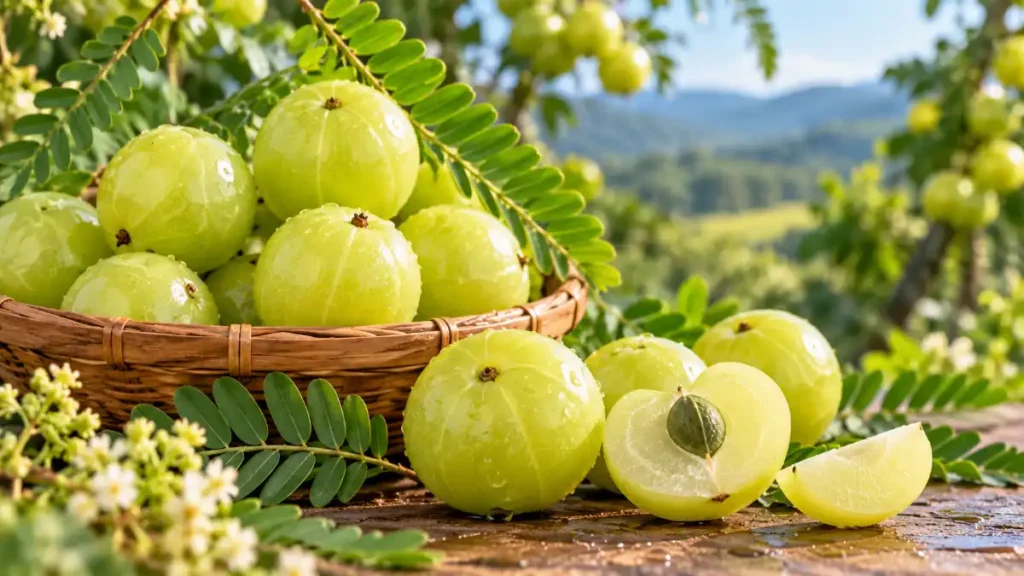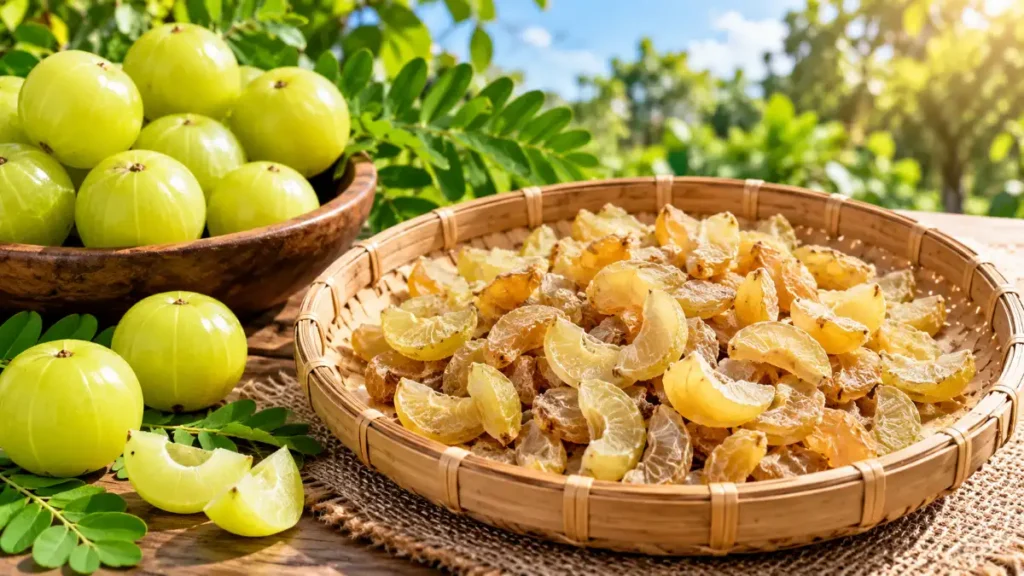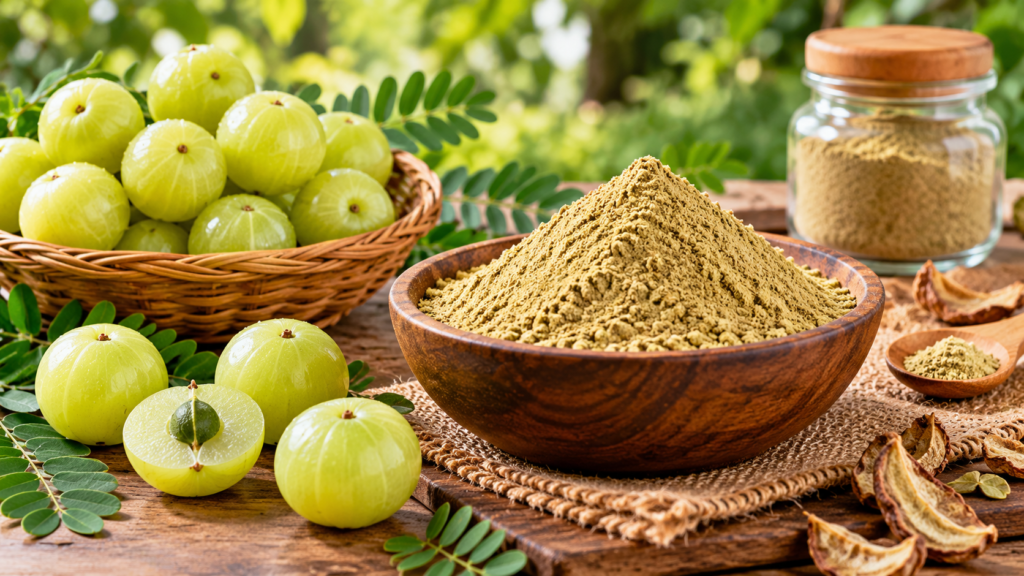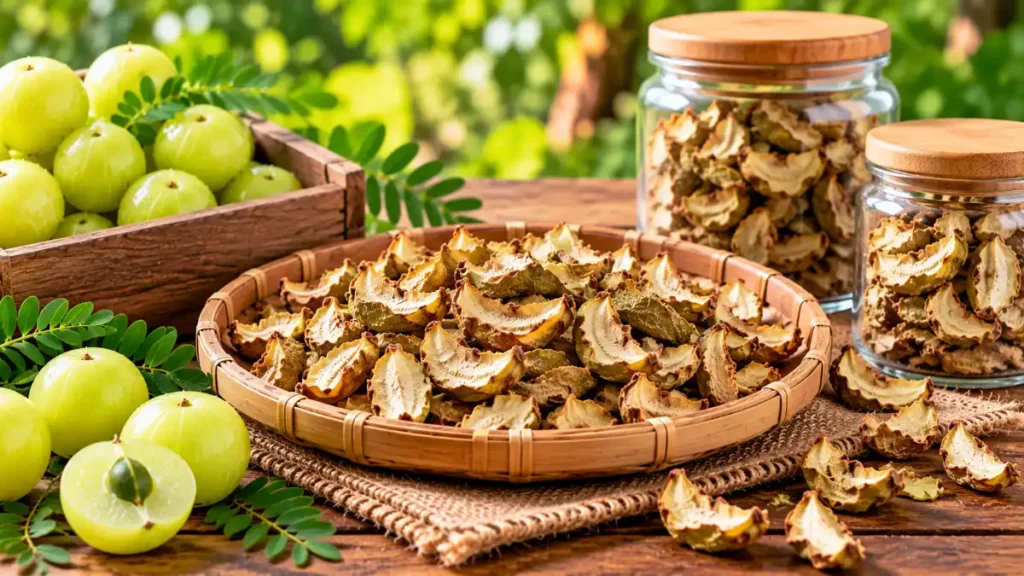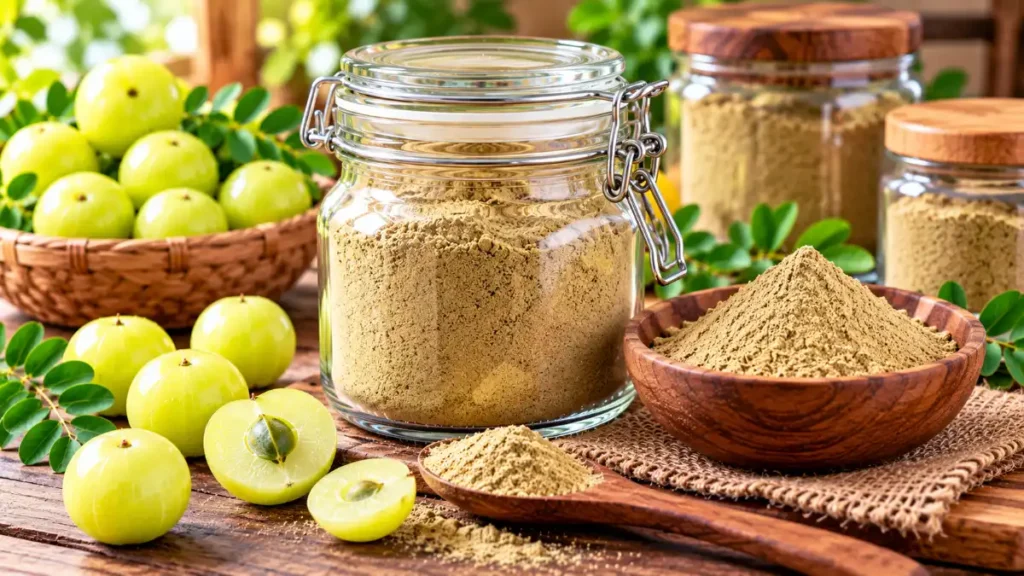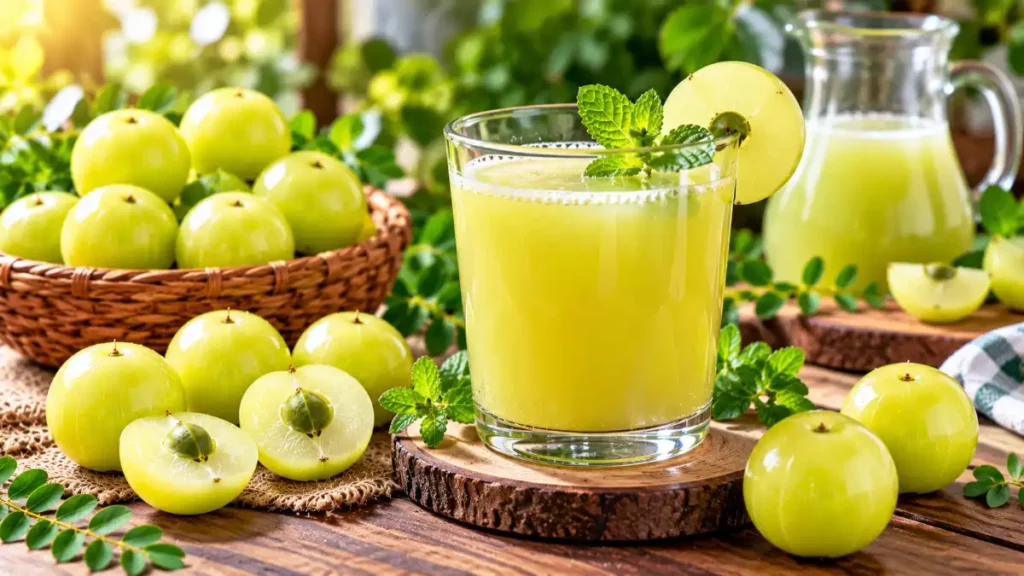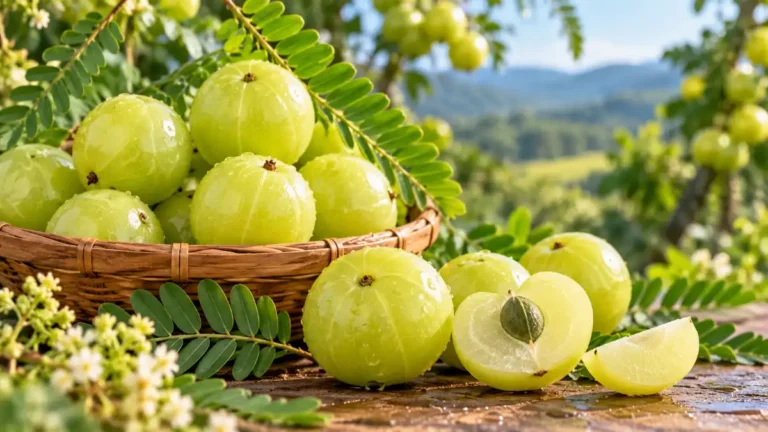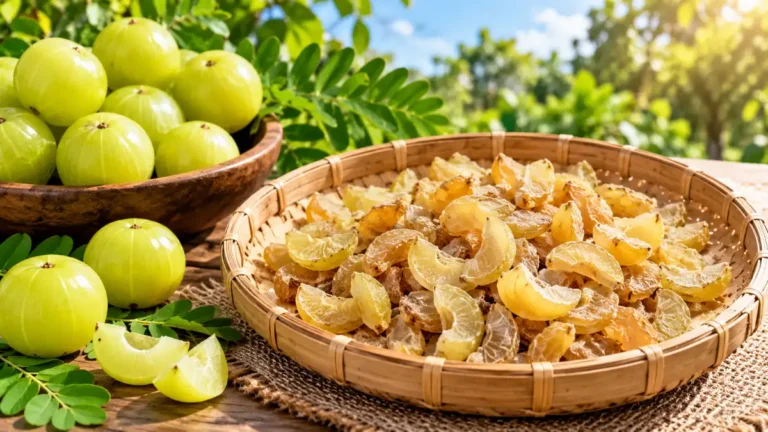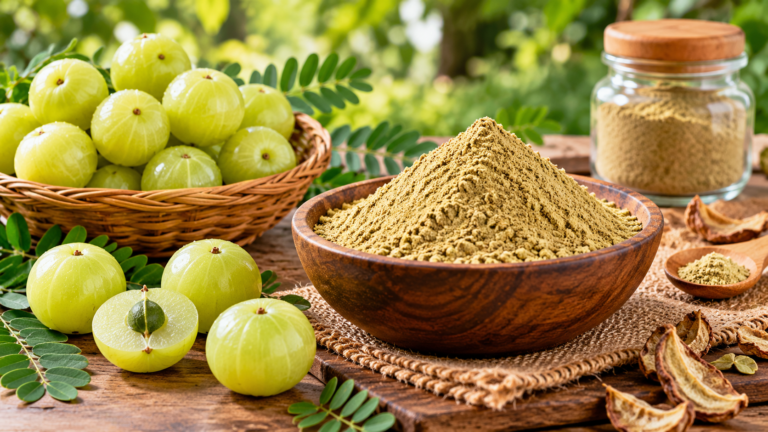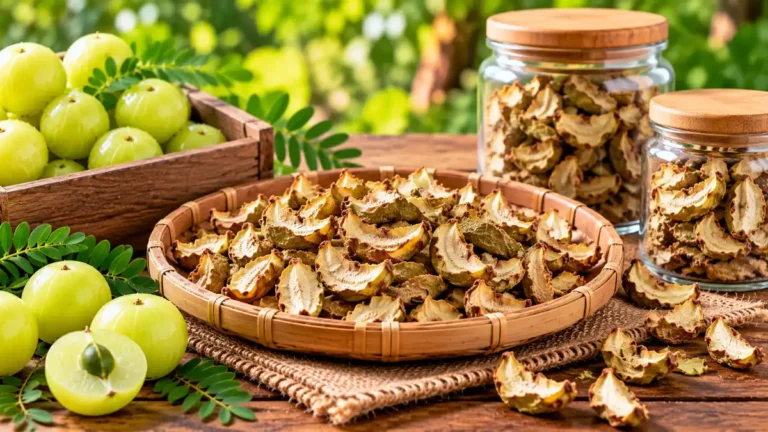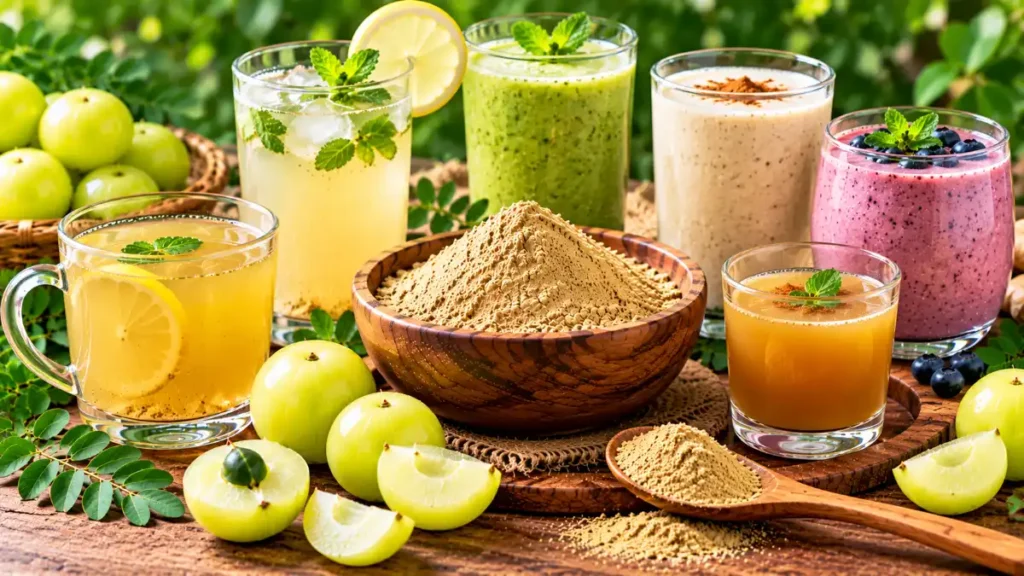
Amla powder is one of those ingredients that can sit in the kitchen for months and still leave you wondering how to actually use it. Once you already have homemade or store-bought powder, the easiest approach is to use small amounts in familiar foods rather than trying to create complicated dishes.
These amla powder recipes focus on everyday Indian food such as chutney, dal, raita, vegetables, chaat, breakfast and simple snacks. The goal is not to make every dish taste strongly of amla. A little powder can add a sharp, tangy note, so it is better to start with a small amount and adjust it according to your taste.
If you already have homemade amla powder, these ideas can help you use it more regularly instead of keeping the jar untouched in the pantry.
Table of Contents
Amla Powder Recipes: Easy Ways to Use Amla Powder in Everyday Cooking
Before trying different amla powder recipes, keep one simple rule in mind: treat amla powder more like a strong souring ingredient than a regular spice that you add by the spoonful.
For most everyday dishes, start with about ¼ teaspoon and increase gradually if you want more tang. The exact amount depends on the dish, the quantity of food and the sourness of your particular powder.
If your powder is homemade, make sure it is completely dry and stored properly before using it.
If you are preparing powder from fresh amla, wash the fruit thoroughly under running water before cutting or processing it. The FDA recommends washing fresh produce under running water and drying it before preparation; soap or detergent should not be used on fruits and vegetables. The same approach works across many amla powder recipes, especially when you are using the powder for its tangy flavor.
FDA: Selecting and Serving Produce Safely
Amla Powder Chutney
Chutney is one of the easiest places to start because the tangy character of amla fits naturally with coriander, green chilli, roasted cumin and other chutney ingredients.
For a quick version, combine fresh coriander, green chilli, roasted cumin, salt and a small amount of amla powder. Add a little water and blend until you get the consistency you prefer.
Because you already have a dedicated Amla Chutney Recipe, this section does not need to repeat the complete recipe.
Internal link: Amla Chutney Recipe
A small amount of powder is usually enough to make the chutney noticeably tangy. If the mixture becomes too sharp, balance it with a little more coriander or another ingredient already used in your recipe.
This is one of the easiest recipes with amla powder for beginners because there is no complicated cooking process involved.
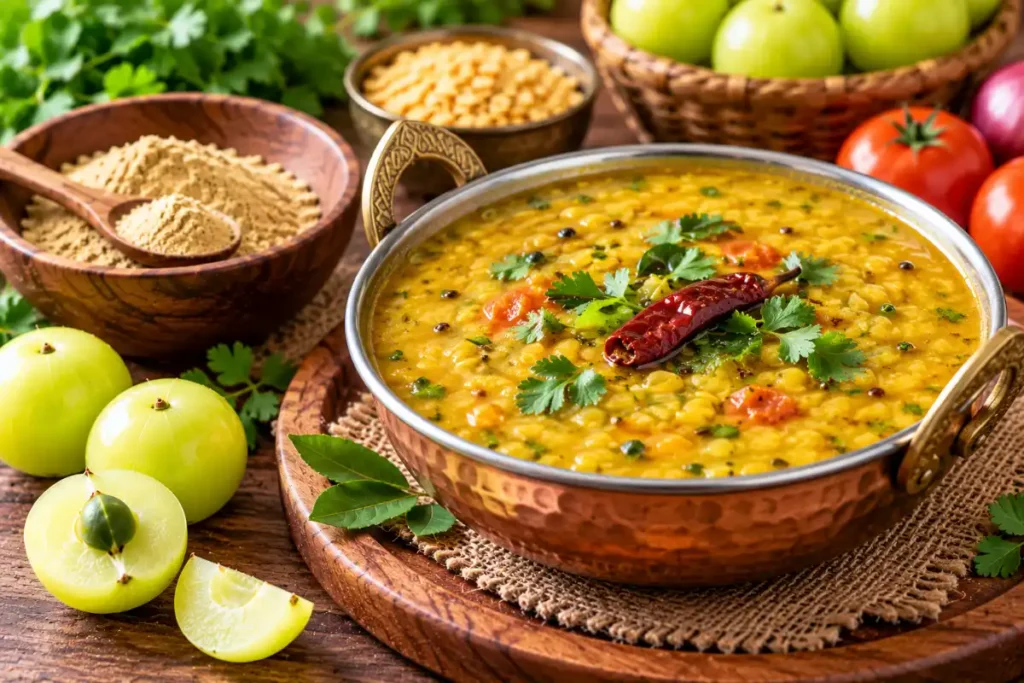
Amla Powder Recipes: Dal
Dal is another practical way to use amla powder because it can be added after the dal has already been cooked.
Prepare your usual moong dal, masoor dal or toor dal. After adjusting the salt and tempering, add around ¼ teaspoon of amla powder, mix well and taste.
This is one of the simplest amla powder recipes because you do not need to change your regular dal recipe. The powder is simply used as a final souring ingredient.
Avoid adding a large quantity at the beginning. You can always add more, but once the dal becomes too sour, correcting the flavor is more difficult. This simple method makes dal one of the easiest amla powder recipes to try at home.
Amla Powder Raita
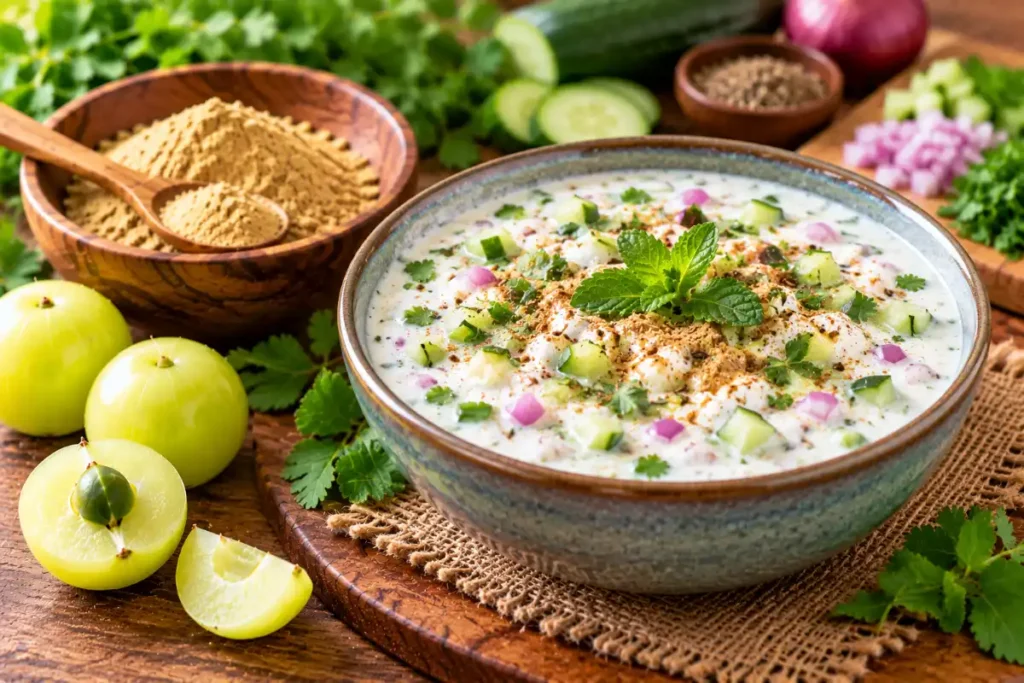
Amla powder can also work in a simple yogurt-based raita. The creamy yogurt softens the sharpness of the powder and makes the flavor easier to control. Among quick amla powder recipes, raita is one of the easiest because it requires no cooking.
For a basic raita, whisk plain yogurt until smooth. Add roasted cumin powder, a little salt, finely chopped coriander and a small pinch of amla powder. Mix and taste.
If you want a milder version, use less powder. Cucumber, grated carrot or finely chopped mint can also be added depending on the style of raita you prefer.
This is a useful amla powder recipe when you want something quick that does not require cooking.
Amla Powder Recipes: Vegetable Stir-Fry
Amla powder can be used with everyday vegetable dishes, particularly when the recipe already includes spices that work well with a sour note.
Cook your preferred vegetable stir-fry as usual. Near the end of cooking, add a small pinch to ¼ teaspoon of amla powder, depending on the quantity of vegetables. Toss well and taste before serving. Start with a small amount when experimenting with amla powder recipes for vegetable dishes.
Try it with beans, cabbage, carrot, cauliflower or mixed vegetables.
The idea is to use the powder as a finishing ingredient rather than allowing its sourness to dominate the dish. This makes experimenting with amla powder recipes much easier because you do not need to completely change your normal cooking method.
For a vegetarian meal, this can also be combined with dal, roti or rice as part of a regular lunch or dinner.
5. Amla Powder Chaat
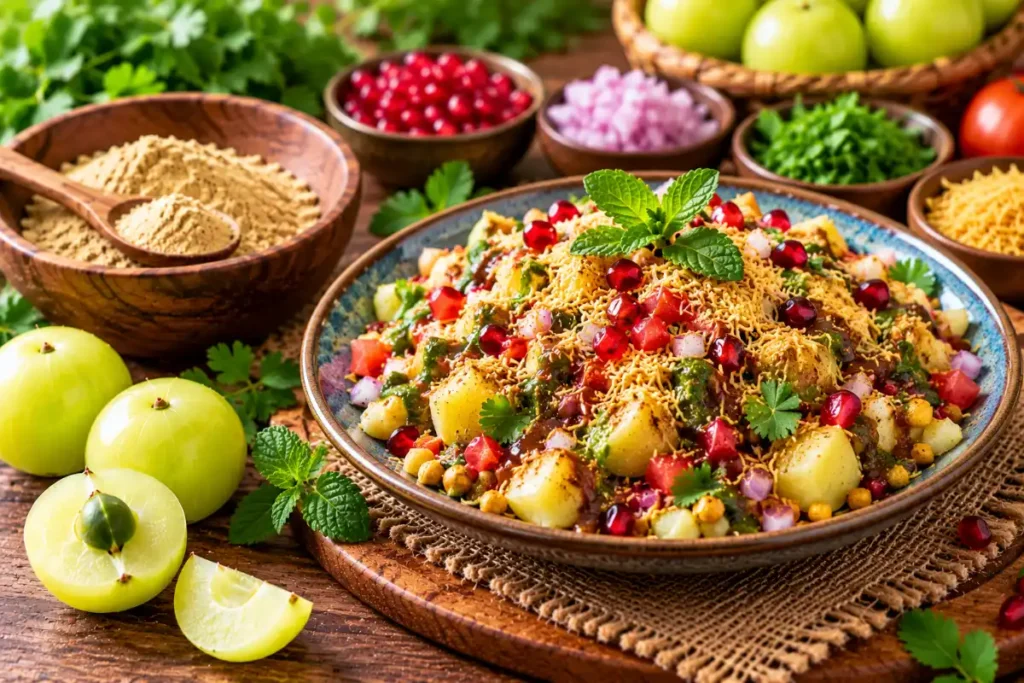
Chaat is naturally suited to tangy flavors, so amla powder can be an easy addition when you want to experiment. This makes chaat a useful option when you are exploring different amla powder recipes.
Use boiled potato, chickpeas or sprouts as the base, then add chopped onion, tomato, coriander and your preferred chaat seasonings.
Add a small pinch of amla powder along with the other seasonings and mix thoroughly.
Taste before adding more. If your chaat already contains lemon juice, tamarind or another sour ingredient, reduce the powder so the final flavor does not become excessively sharp.
This is another simple option when looking for easy amla powder recipes that can be prepared without much extra work.
6. Amla Powder Breakfast Ideas
You do not need a special breakfast recipe to use amla powder. It can be added to savory foods in small amounts.
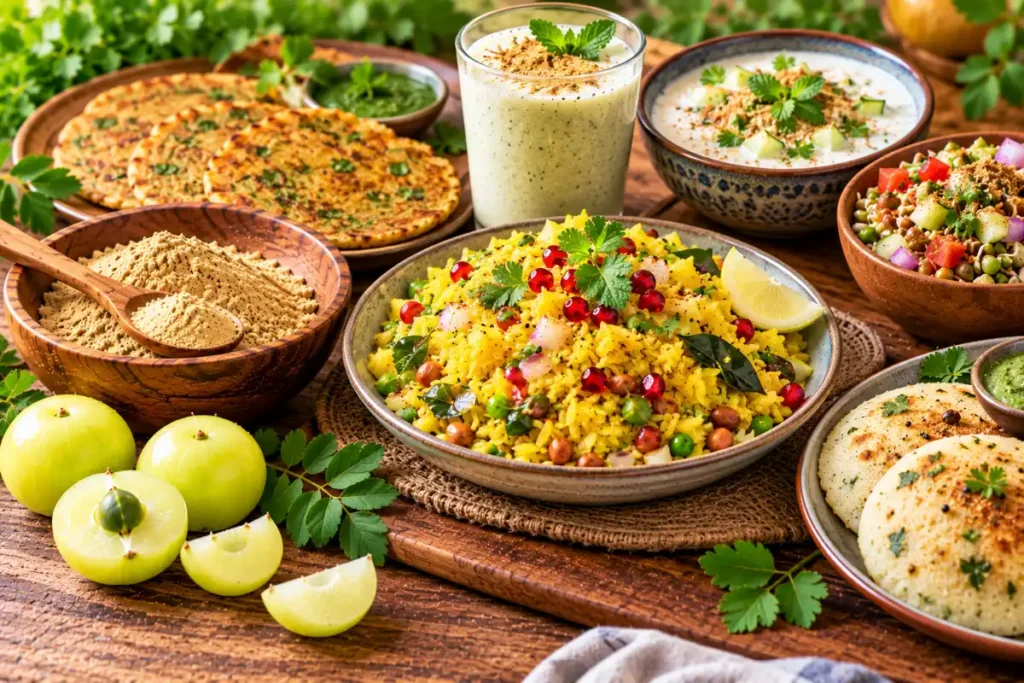
Amla Powder Poha
Prepare poha in your usual way with onion, peanuts, curry leaves and spices. Once the poha is ready, add a small pinch of amla powder, mix and taste.
Amla Powder Upma
Make your regular vegetable upma and add a small amount of amla powder near the end. Keep the quantity low because semolina-based dishes can become noticeably sour quite quickly.
Amla Powder Besan Chilla
For a savory besan chilla, add a small pinch of amla powder directly to the batter along with your usual spices. Mix well and cook as normal.
These are useful amla powder recipes breakfast ideas because they use familiar foods rather than requiring a completely new dish.
The same approach can work with other savory breakfast dishes as long as the quantity remains small. These simple breakfast options can be adapted easily when trying new amla powder recipes at home.
7. Amla Powder Snack Ideas
Amla powder can also be used in homemade savory snacks where a little tang works well. Roasted snacks are another practical category to explore when making amla powder recipes.
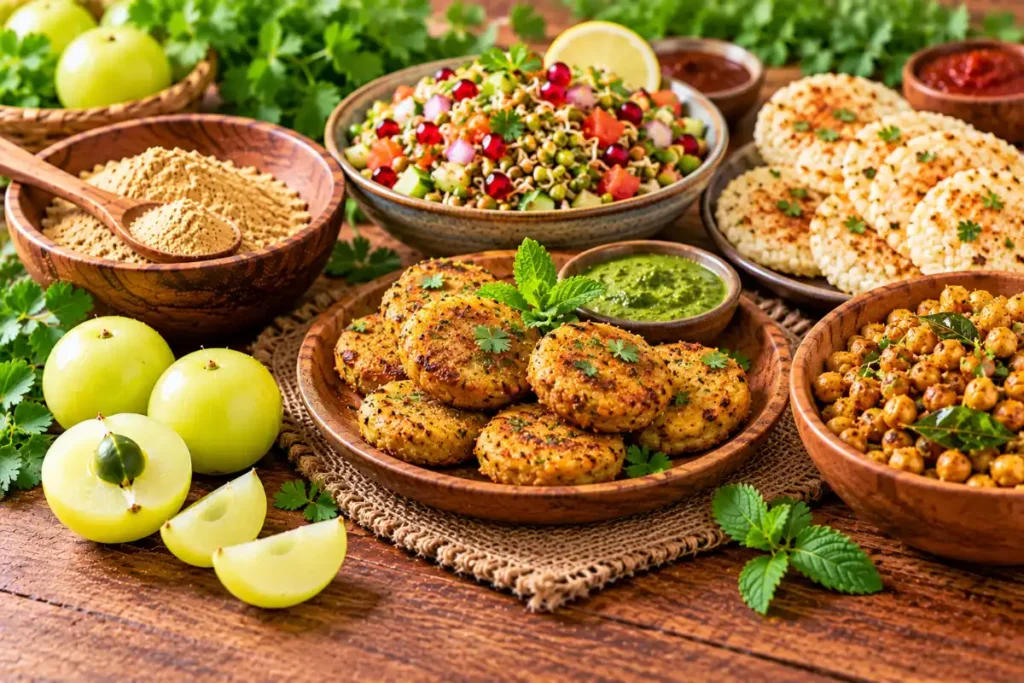
One easy option is roasted makhana. Roast the makhana until crisp, then add a small amount of salt, roasted cumin powder and a pinch of amla powder while they are still warm. Toss thoroughly so the seasoning coats the pieces.
You can use a similar approach with roasted chickpeas, puffed rice or homemade savory snack mixes.
Start with a very small amount and adjust after tasting. The key with these amla powder recipes is even distribution. Because the powder is fine, adding too much in one spot can create a very sour bite.
8. Amla Powder Salad Dressing
For a simple homemade dressing, mix plain yogurt or a small amount of oil with roasted cumin, salt and a pinch of amla powder. Add a little water if you need a thinner consistency.
Use the dressing over cucumber, carrot, tomato or mixed salad vegetables.
If you prefer a sharper dressing, gradually increase the amount of powder. If the dressing already contains lemon juice or vinegar, use less amla powder.
This is a good example of how recipes with amla powder can be adapted to foods you already make instead of creating a separate complicated recipe.
How Much Amla Powder Should You Add to Food?
There is no single amount that works for every recipe. Amla powder can differ in sourness depending on the fruit, drying method and preparation.
A practical starting point is:
- Small serving or single bowl: a pinch to ¼ teaspoon
- About 2–3 servings: around ¼ to ½ teaspoon
- Larger dishes: start low and adjust after tasting
These are cooking starting points, not medical dosage recommendations.
For most amla powder recipes, it is better to add a small amount, mix thoroughly and taste before adding more. This gives you much better control over the final flavor.
How to Reduce the Sour Taste of Amla Powder
If a dish becomes too sour, do not immediately add more spices. First consider the other flavors already present.
Depending on the recipe, you can:
- increase the main ingredient or base of the dish
- add more plain yogurt or another mild ingredient where appropriate
- balance the flavor with the recipe’s existing sweet or savory components
- add more herbs or vegetables
- dilute a chutney, dressing or other mixture with suitable ingredients
The right correction depends on the recipe. Avoid adding several new ingredients at once because it can make the final flavor harder to control.
This approach is particularly useful when trying new amla powder recipes for the first time.
Can You Use Amla Powder in Sweet Recipes?
Yes, but use it carefully.
Amla powder has a naturally sharp, sour character, so it generally works better in sweet dishes when paired with ingredients that can balance acidity.
You can experiment with small amounts in homemade energy bites, fruit mixtures or lightly sweetened yogurt. Start with a pinch rather than treating it like a standard powdered ingredient.
For a sweet recipe, taste the mixture before adding more. This is especially important because sweetness and sourness can change the overall balance quickly.
If you are specifically looking for healthy amla powder recipes, it is better to focus on the actual ingredients and preparation rather than making unsupported health claims about the finished dish.
Amla Powder vs Fresh Amla in Recipes
Fresh amla and amla powder are not interchangeable in exactly the same quantity.
Fresh amla contains water and has a different texture, while powder is concentrated and dry. Powder is convenient when you want to add a small amount to an already-prepared dish without changing its moisture level.
Fresh amla is often better when the recipe specifically depends on the fruit’s texture or fresh flavor. Powder is more convenient for seasoning, mixing into batters or adding to foods near the end of cooking.
If you want to make your own powder from dried amla, see:
Internal link: How to Make Amla Powder
And if you want to understand the drying stage first:
Internal link: How to Dry Amla
Common Mistakes When Using Amla Powder
Even simple amla powder recipes can go wrong if the powder is used too aggressively. Most problems with amla powder recipes come from using too much powder or not balancing its sourness with the other ingredients.
Adding too much at once
Amla powder can quickly make food very sour. Start small and increase only after tasting.
Adding it without considering other sour ingredients
Lemon juice, tamarind, vinegar and other acidic ingredients can already provide plenty of tang. Adjust the amla powder accordingly.
Using damp powder
Moisture can cause powdered ingredients to clump and may reduce their quality. Store the powder in a clean, dry, tightly closed container.
The National Center for Home Food Preservation recommends protecting dried foods from moisture and storing them in clean, dry containers in a cool, dry, dark place.
NCHFP: Packaging and Storing Dried Foods
Not mixing the powder evenly
Always mix or toss thoroughly. This is especially important for dry snacks, chaat and seasoning blends.
Treating every dish the same way
Amla powder works differently in dal, yogurt, vegetables, snacks and sweet dishes. Start with the characteristics of the food rather than following one fixed amount for every recipe.
How to Store Amla Powder Before Cooking
Good storage matters because moisture is one of the main enemies of dried and powdered ingredients.
Keep amla powder in a clean, dry, airtight container and use a completely dry spoon each time.
For home storage, a small jar can be more practical than one large container if you use the powder regularly. It reduces repeated exposure of the entire supply to air and humidity.
Keep the container away from steam, direct sunlight and areas where the powder may come into contact with water.
If you notice moisture, unusual odor, visible mold or other signs of spoilage, discard the powder rather than trying to save it.
For a detailed guide, see:
Internal link: How to Store Amla Powder
The NCHFP also notes that dried foods can reabsorb moisture during storage, which is why proper packaging and storage conditions matter.
Frequently Asked Questions
What can I make with amla powder?
You can use amla powder in chutney, dal, raita, vegetable dishes, chaat, savory breakfast foods, snacks and simple salad dressings. The best option depends on how much tang you want.
Can I use amla powder in cooking?
Yes. Amla powder can be used as a souring or flavoring ingredient in small amounts. Start with a pinch or about ¼ teaspoon and adjust according to the recipe.
Can I add amla powder to dal?
Yes. Add a small amount after the dal is cooked and seasoned, then mix and taste. This makes it easier to control the sourness.
Can I use amla powder in breakfast recipes?
Yes. Small amounts can work in savory dishes such as poha, upma and besan chilla. Add it carefully because the flavor can become sharp quickly.
Can I use amla powder in snacks?
Yes. It can be used as a seasoning for roasted makhana, roasted chickpeas and other savory snacks. Mix it thoroughly with the other seasonings.
Is amla powder the same as fresh amla?
No. Fresh amla contains water and has a different texture, while amla powder is dried and ground. Because the two forms are different, they should not automatically be substituted in equal quantities.
Final Thoughts
Amla powder does not need to be limited to one type of preparation. Once you understand how strongly it affects flavor, you can start adding small amounts to familiar foods instead of searching for complicated recipes.
The easiest way to begin is with dal, raita, chutney, vegetables or a simple savory snack. Start with a small quantity, mix well and taste before adding more.
These amla powder recipes are especially useful if you already make or buy amla powder and want practical ways to use it in everyday cooking.
Once you understand how the flavor behaves, you can create your own amla powder recipes using familiar everyday foods.