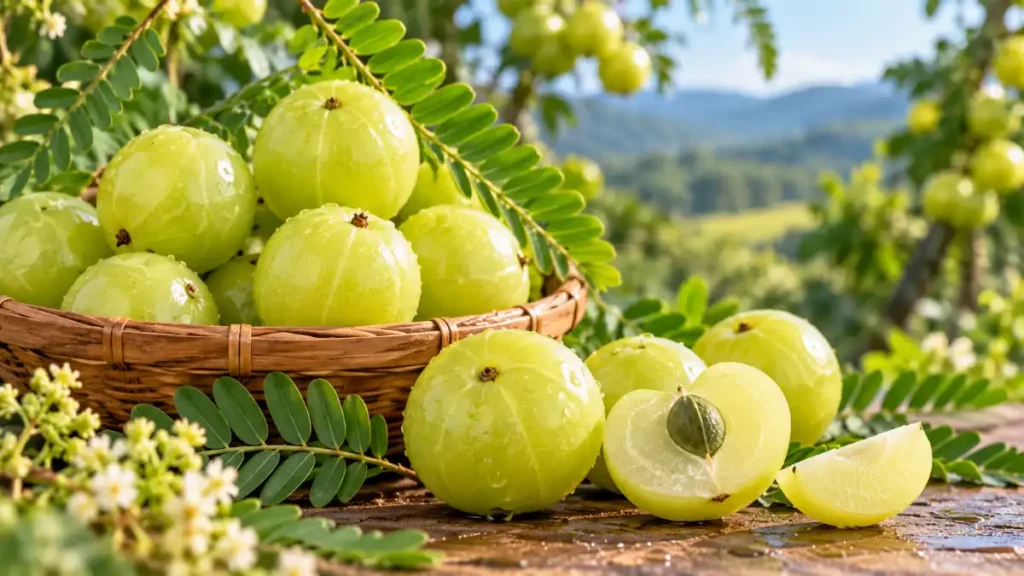
Fresh amla has a naturally tangy and slightly astringent taste, which makes it a great ingredient for a bright, flavorful chutney. When combined with fresh coriander, green chilli, ginger and a few simple seasonings, the sharpness of amla becomes much easier to balance.
This amla chutney recipe is simple enough to make at home and does not require a long cooking process. The ingredients can be adjusted according to how spicy, tangy or mild you like your chutney.
This amla chutney recipe is also easy to adjust according to your preferred level of spice and tanginess. The chutney can be served with everyday meals, snacks, parathas or other Indian dishes.
Table of Contents
Amla Chutney Recipe at a Glance
Before you start, here is a quick overview of the recipe:
- Preparation time: About 10–15 minutes
- Cooking time: None for the fresh version
- Total time: About 15 minutes
- Servings: Approximately 4–6 small servings
- Main ingredient: Fresh amla
- Method: Blend and serve
- Taste: Tangy, fresh and mildly spicy
This version is designed as a fresh chutney, so there is no need to prepare a large batch unless you have a suitable storage plan.
Ingredients for Amla Chutney recipe
For this amla chutney recipe, you will need a handful of fresh ingredients.
Main Ingredients
- 5–6 fresh amla
- 1 cup fresh coriander leaves
- 2–3 green chillies
- 1 small piece of fresh ginger
- ½ teaspoon cumin seeds
- ½ teaspoon black salt
- Salt to taste
- 1–2 tablespoons water, or as needed
- 1 teaspoon lemon juice, optional
You can reduce the green chilli if you prefer a milder chutney. Similarly, lemon juice is optional because fresh amla already provides plenty of tartness.
For a slightly different flavour, a small amount of mint can also be added along with the coriander. The ingredients in this amla chutney recipe can be adjusted slightly without changing the basic preparation method.
How to Make Amla Chutney
The basic amla chutney recipe involves preparing the fresh fruit, removing the seeds and blending everything together.
Step 1: Wash the Fresh Amla
Start by washing the amla thoroughly under clean running water.
Remove any fruit that is visibly rotten and cut away bruised or damaged portions before preparation.
The FDA recommends washing fresh fruits and vegetables under running water before preparing them and advises against using soap or household detergent on produce.
After washing, dry the amla with a clean kitchen towel or paper towel.
Step 2: Cut the Amla and Remove the Seeds
Place the clean amla on a cutting board and cut each fruit into smaller pieces.
Remove the hard central seed from each amla.
The pieces do not need to be perfectly uniform because they will be blended. Smaller pieces simply make the blending process easier. Preparing the fruit properly at this stage helps the amla chutney recipe blend more evenly.
Step 3: Prepare the Other Ingredients
Wash the coriander and green chillies.
Roughly chop the ginger and green chillies so they are easier to blend.
Measure the cumin, black salt and regular salt before adding them to the blender. This makes it easier to adjust the flavour gradually instead of accidentally adding too much seasoning.
Step 4: Add Everything to the Blender
Add the prepared amla pieces, coriander leaves, green chillies, ginger and cumin seeds to a clean blender or food processor.
Add black salt and regular salt.
Start with about one tablespoon of water. You can add a little more later if the mixture is too thick.
For this amla chutney recipe, avoid adding too much water at the beginning. A thick chutney is easier to adjust than a watery one.
Step 5: Blend the Chutney
Blend the ingredients until you get the texture you prefer.
For a smooth amla chutney, blend for longer and add a small amount of water if necessary.
For a slightly coarse chutney, use short pulses and stop once the ingredients are evenly combined.
Taste the mixture before adding more salt, chilli or lemon juice. At this point, the basic amla chutney recipe is ready to taste and adjust.
How to Balance the Taste of Amla Chutney
Fresh amla has a naturally sharp flavour, so tasting the chutney after blending is important.
If the chutney tastes too sour, you can add a little more coriander or a small amount of sweetener.
If it needs more heat, add another green chilli.
If you want a brighter flavour, a small amount of lemon juice can be added, although it is completely optional.
For a milder amla chutney recipe, reduce the chilli rather than adding more sweetener.
The aim is to balance the natural flavour of amla instead of completely masking it.
How to Make Amla Chutney Without Garlic
Garlic is not necessary for this recipe.
The combination of fresh amla, coriander, green chilli, ginger and cumin already creates a flavorful chutney.
If you prefer garlic, you can add one small clove while blending. If you do not eat garlic, simply leave it out.
This makes the amla chutney recipe easy to adapt to different household preferences.
Amla Chutney Variations
Once you have the basic amla chutney recipe ready, you can easily change its flavour with a few optional ingredients.
Coriander Amla Chutney
Use a little extra coriander for a greener, fresher flavour.
Mint Amla Chutney
Add a small handful of fresh mint along with the coriander.
Spicy Amla Chutney
Increase the green chilli according to your preferred heat level.
Mild Amla Chutney
Reduce the chilli and add a little extra coriander.
Slightly Sweet Amla Chutney
A small amount of jaggery or another preferred sweetener can be used to soften the sharpness of the amla.
Avoid adding a large quantity at once. Taste first and adjust gradually.
What to Serve with Amla Chutney
Fresh amla chutney works well as a side dish rather than being limited to one particular meal.
You can serve it with:
- Roti
- Paratha
- Dal and rice
- Khichdi
- Pakoras
- Samosas
- Kachori
- Dosa
- Idli
- Vegetable snacks
Its tangy flavour can add contrast to foods that are mild, rich or lightly seasoned.
Recipe sources also commonly pair amla chutney with Indian breads, rice dishes and snacks.
How to Store Homemade Amla Chutney
Because this is a fresh, uncooked chutney, it is better to prepare an amount that you expect to use soon.
Transfer any leftover chutney to a clean, covered container and refrigerate it promptly.
Keep the chutney cold and avoid repeatedly leaving the container at room temperature during serving.
The FDA recommends keeping food-preparation surfaces and utensils clean and refrigerating perishable foods appropriately.
Rather than giving a fixed homemade shelf-life number, check the chutney before using it. If you notice an unusual smell, visible mould, unexpected fermentation or other signs of spoilage, discard it.
External authoritative resource: FDA — Selecting and Serving Produce Safely
Can You Cook Amla Before Making Chutney?
Yes, you can.
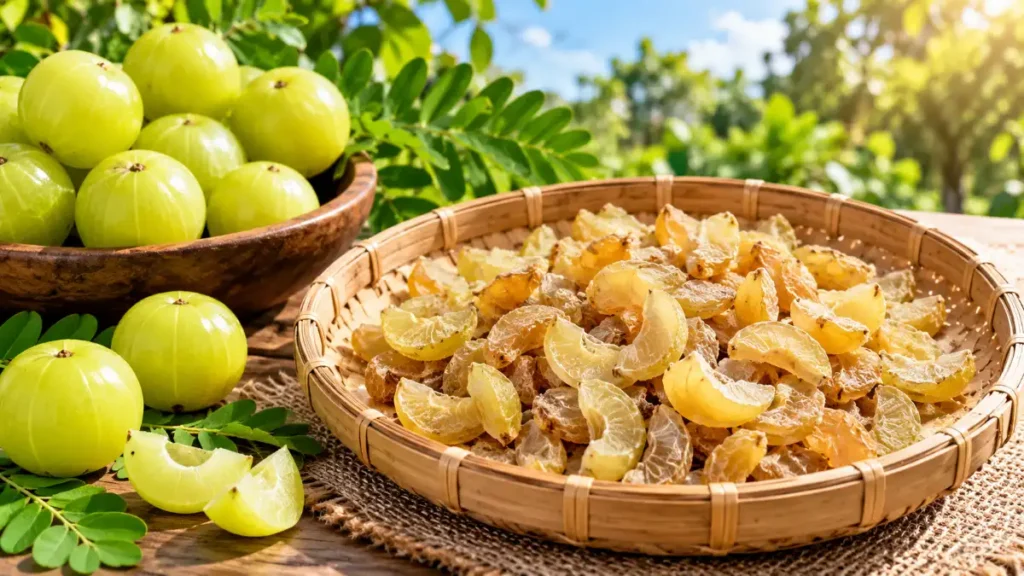
Some versions of amla chutney use cooked or boiled amla before blending. This changes the texture and can make the fruit softer.
However, this recipe uses fresh amla directly, which keeps the preparation quick and gives the chutney a fresh, sharper character.
If you prefer a softer chutney, lightly cooking the amla before blending is an option.
Fresh Amla Chutney vs Cooked Amla Chutney
Both versions can work, but the preparation is different.
| Fresh Amla Chutney | Cooked Amla Chutney |
|---|---|
| Quick to prepare | Requires an additional cooking step |
| Fresh, sharper flavour | Softer and milder texture |
| Usually blended directly | Amla is softened before blending |
| Good for small fresh batches | Useful when a cooked texture is preferred |
The choice mainly comes down to taste and the texture you want.
Common Mistakes When Making Amla Chutney
Even a simple amla chutney recipe can go wrong if a few basic things are overlooked.
Adding Too Much Water
Too much water can turn the chutney into a thin paste.
Start with a small amount and add more only when necessary.
Using Too Much Chilli
Fresh amla already has a strong flavour. Too much chilli can overpower the chutney instead of complementing it.
Not Removing the Seeds
Always remove the hard central seeds before blending.
Over-Seasoning
Salt, black salt, cumin and lemon should be added gradually.
It is much easier to increase seasoning than to correct an overly salty chutney.
Using Damaged Amla
Choose fresh fruit and remove bruised or visibly spoiled portions before preparation. FDA guidance recommends cutting away damaged areas and discarding produce that looks rotten.
Using Dirty Utensils
The blender jar, knife, cutting board and storage container should be clean before you start.
Tips for Better Amla Chutney
For a consistently good amla chutney recipe, keep these simple points in mind:
- Choose fresh, firm amla.
- Wash the fruit under running water.
- Remove the central seeds.
- Use fresh coriander for better flavour.
- Start with less water.
- Adjust chilli after blending.
- Taste before adding lemon.
- Do not over-season the chutney.
- Make a smaller batch when possible.
- Refrigerate leftovers promptly.
The result should be thick enough to scoop easily but soft enough to spread or mix with food. These simple tips can help you get better results every time you prepare this amla chutney recipe
Frequently Asked Questions
Keep these simple preparation steps in mind whenever you make this amla chutney recipe at home.
How to make amla chutney at home?
Wash and prepare fresh amla, remove the seeds, then blend it with coriander, green chilli, ginger, cumin and salt. Add a little water if required and adjust the taste before serving.
Can I make amla chutney without coriander?
Yes. Coriander adds freshness, but you can replace part of it with mint or use another suitable herb according to your taste.
Can I make amla chutney without green chilli?
Yes. Simply reduce or skip the green chilli if you prefer a mild chutney.
Can I add garlic to amla chutney?
Yes. One small garlic clove can be added during blending. It is optional and can be left out.
Why is my amla chutney too sour?
Fresh amla naturally has a sharp, tangy flavour. You can balance it with additional coriander, a little sweetener or other ingredients rather than adding a large amount of water.
Can I use frozen amla for chutney?
Yes, provided the amla has been stored properly. Allow it to thaw enough to process comfortably, then adjust the water and seasoning according to the texture.
Can I make amla chutney without cooking the amla?
Yes. This recipe uses fresh amla directly. Some other versions cook or boil the fruit first, which produces a softer texture.
How long can homemade amla chutney be stored?
There is no single reliable storage period for every homemade version because ingredients, preparation, cleanliness and refrigeration conditions can vary. Refrigerate it promptly in a clean, covered container and discard it if you notice signs of spoilage.
Final Thoughts
This amla chutney recipe is an easy way to use fresh Indian gooseberries in an everyday homemade side dish. The basic combination of amla, coriander, green chilli, ginger and simple seasonings gives you a fresh chutney that can be adjusted to suit your taste.
You can keep it spicy, make it milder, add mint or include a small amount of sweetener to balance the natural tartness of amla.
If you are exploring other ways to use amla, you can also read our Amla Fruit guide for a broader look at the fruit, or try our recipes for amla juice, amla pickle and amla murabba.